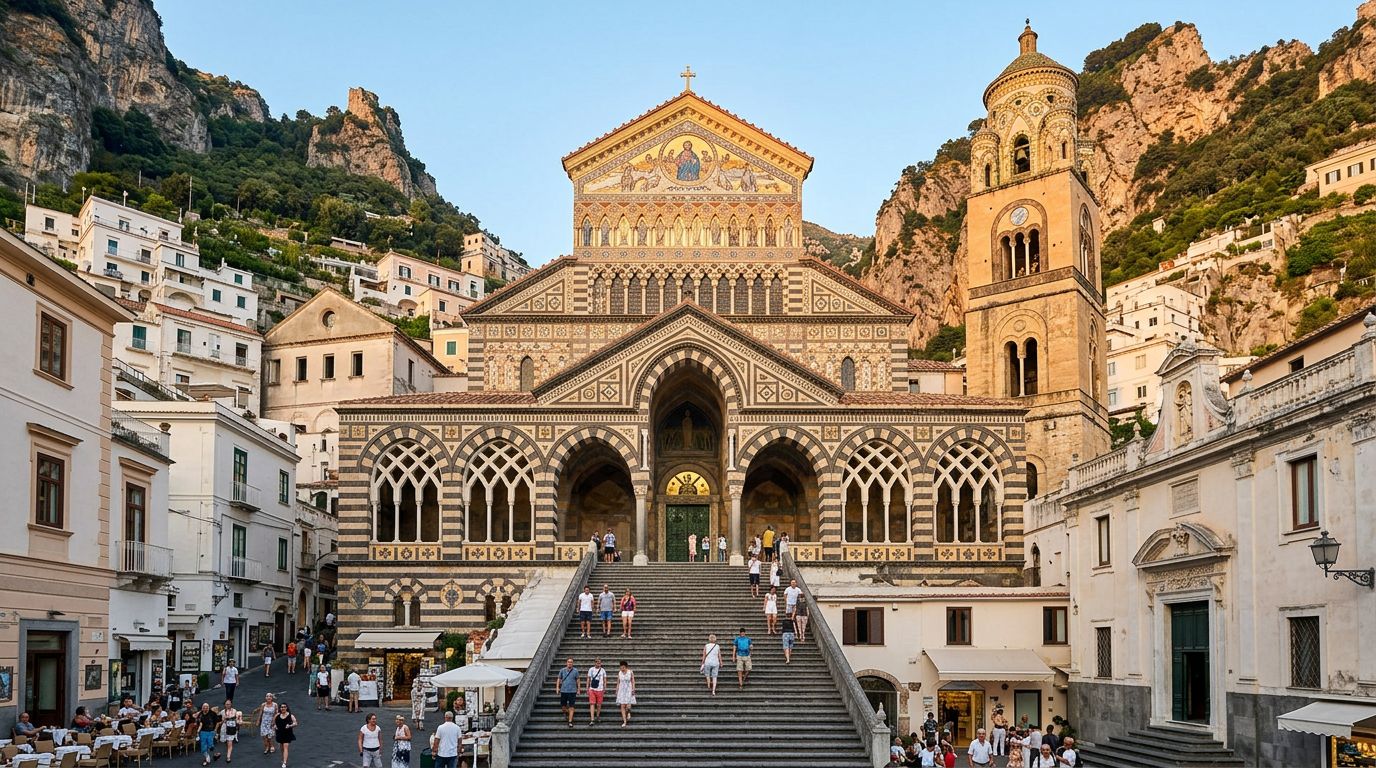
Duomo di Amalfi
This 9th-century cathedral features a striking Arab-Norman facade and a 13th-century cloister known as the Chiostro del Paradiso.
View the bronze doors from the top of the stairs.

The Amalfi Coast draws three million visitors annually to 50 kilometers of vertical cliffs and pastel fishing villages. Whether the region justifies the logistics depends on what you value in a destination and when you arrive.
Quick answer
Is Amalfi Coast worth visiting for most travelers who prioritize dramatic coastal scenery and Mediterranean village atmosphere over solitude. The 13 clifftop towns offer vertiginous views, centuries-old cathedrals, and limoncello terraces, but summer crowds compress onto narrow roads and raised hotel rates reflect UNESCO World Heritage status. Budget-conscious travelers and those sensitive to tour-bus congestion may find better value elsewhere in Campania.
The Amalfi Coast occupies less than 1 percent of Italy's coastline but accounts for 7 percent of the country's luxury accommodation revenue. That density reveals both the region's appeal and its central tension. The geography that makes the coast iconic—limestone cliffs plunging 450 meters into the Tyrrhenian Sea—also constrains infrastructure. A single two-lane road connects Positano, Amalfi, and Ravello, forcing buses, cars, and scooters into a daily choreography of hairpin turns and blind corners. During peak season, that same road becomes a bottleneck, with transfer times between villages doubling. Whether visiting Amalfi Coast makes sense depends on how you weigh postcard vistas against logistical friction. The terraced lemon groves, majolica-tiled domes, and ceramic-shop alleys deliver precisely what the photographs promise, but accessing them requires patience with the narrow coastal roads and acceptance of elevated prices tied to limited supply. The region rewards off-peak arrivals. Spring shoulder months and September offer the same cliffside panoramas with thinner crowds and negotiable hotel rates. Early morning departures—before 10:00—bypass the worst of the bus congestion and open up hiking trails like the Path of the Gods before midday heat. Visitors who approach the coast as a base for exploration rather than a single-village resort stay extract more value: day trips to Pompeii, Herculaneum, and Paestum add archaeological depth, while ferry connections to Capri and Ischia extend the itinerary without redundant coastal driving. The Amalfi Coast merits a visit if your priorities align with its strengths: vertical drama, Mediterranean light, and layered history compressed into a compact geography. It does not suit travelers seeking undiscovered villages, bargain dining, or efficient point-to-point transit. The coastline has been worth visiting for centuries—Positano appeared in Roman itineraries, and Ravello hosted Wagner in 1880—but modern visitor volumes demand strategic planning to experience what made it famous in the first place.
“The geography that makes the coast iconic also constrains infrastructure, forcing every visitor into the same narrow coastal corridor.”
The Amalfi Coast is located in the Province of Salerno, Campania, Italy, and is characterized by narrow, winding coastal roads. Most travelers approach the region via Salerno or Sorrento, which serve as the primary gateways for onward transport.
Circumvesuviana line from Naples to Sorrento
SITA Sud bus lines connecting coastal towns
Travelosca or NLG ferries from Salerno or Naples
SS163 Amalfitana road
To avoid peak traffic and crowded bus lines on the narrow coastal roads, plan your arrival within the 07:00–10:00 window.
Access to the Amalfi Coast region is free of charge. Expenses for travelers are limited to entry fees for individual museums, historic sites, or private beach clubs located within the towns.
Verdict: A typical visitor pays 0 EUR for regional entry, with total costs determined by their selection of specific attractions and services.
The Amalfi Coast comprises several distinct settlements and natural sites, each offering unique architectural and landscape features. Exploring these specific landmarks provides a comprehensive view of the region's historical and geographical character.
This 9th-century cathedral features a striking Arab-Norman facade and a 13th-century cloister known as the Chiostro del Paradiso.
View the bronze doors from the top of the stairs.
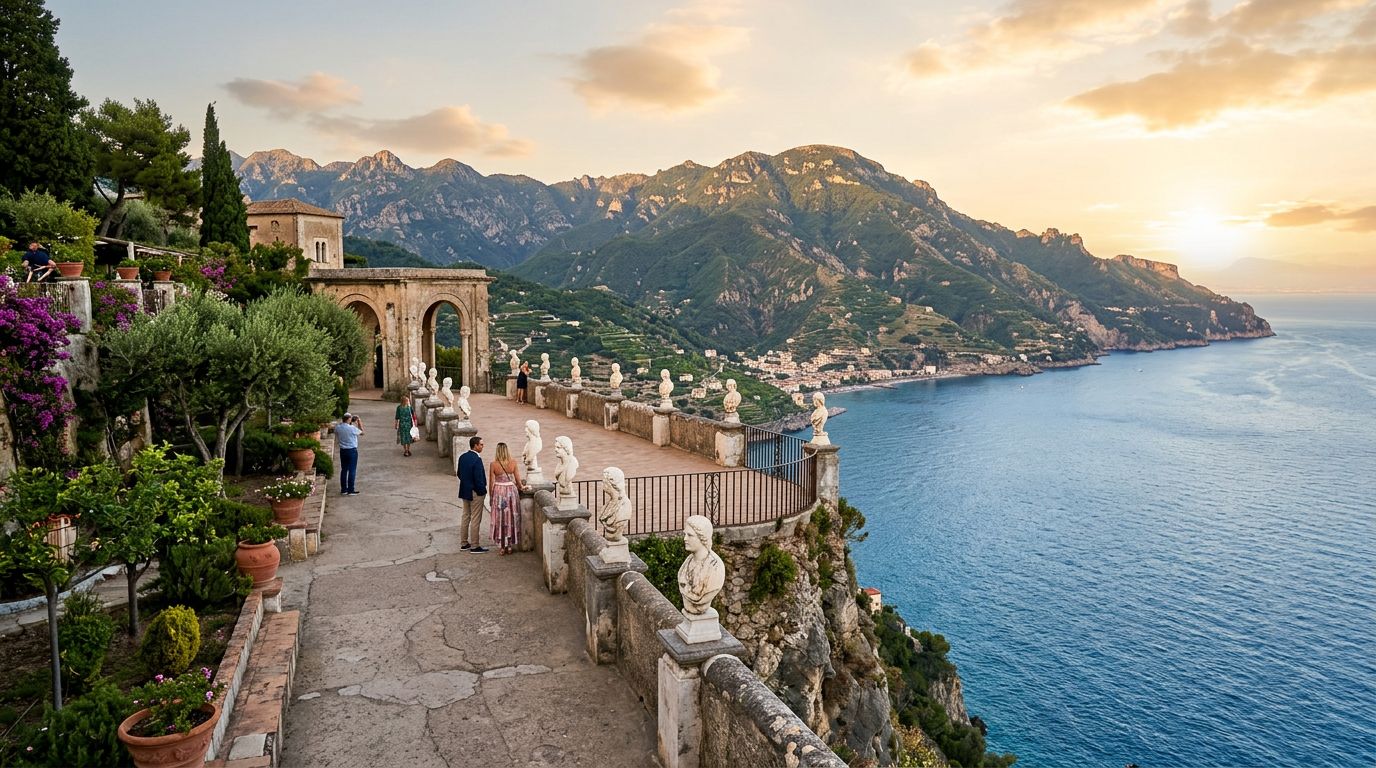
Located in Ravello, these gardens offer extensive views of the Tyrrhenian Sea and include the Terrazza dell'Infinito.
Visit at the garden opening to experience the terrace privately.
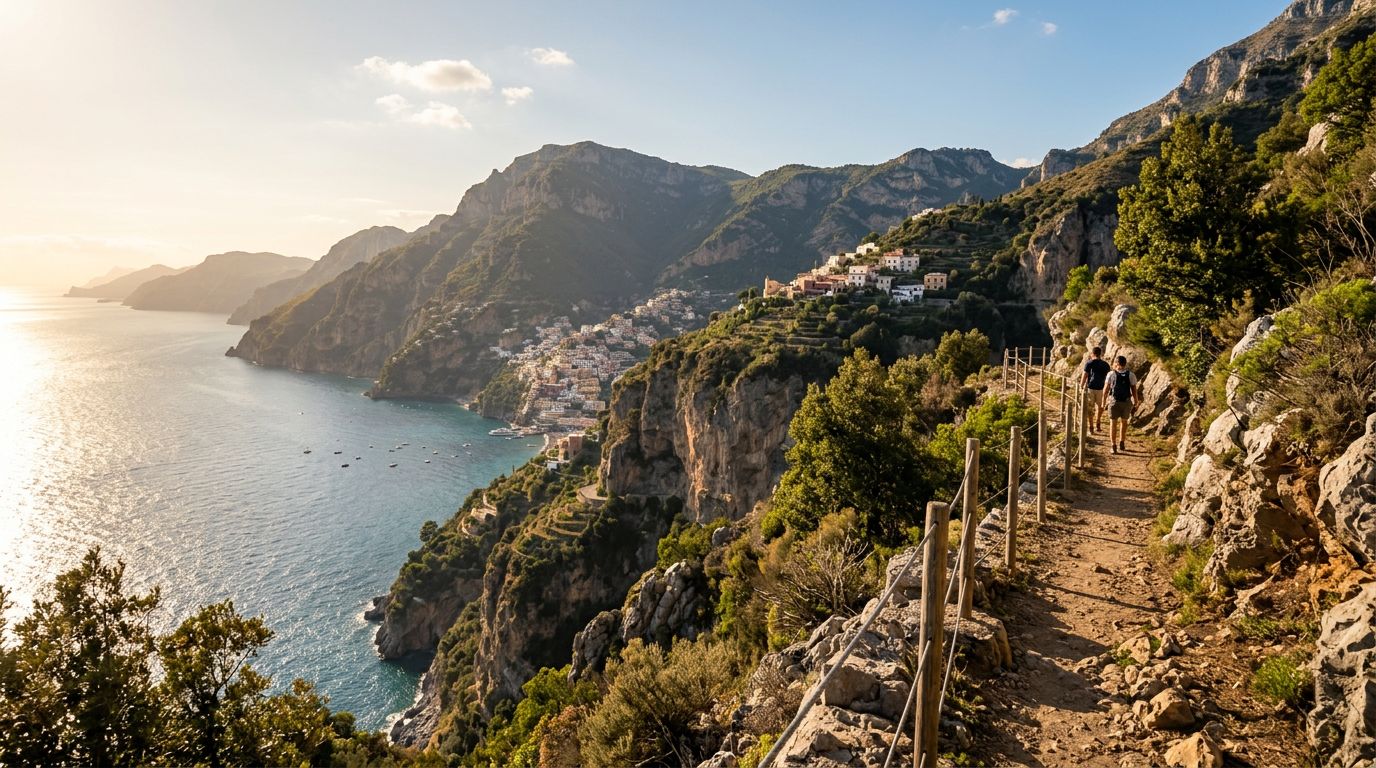
This high-altitude hiking path connects Agerola to Nocelle and provides a vantage point over the coastline.
Bring binoculars to identify distant Positano landmarks from above.
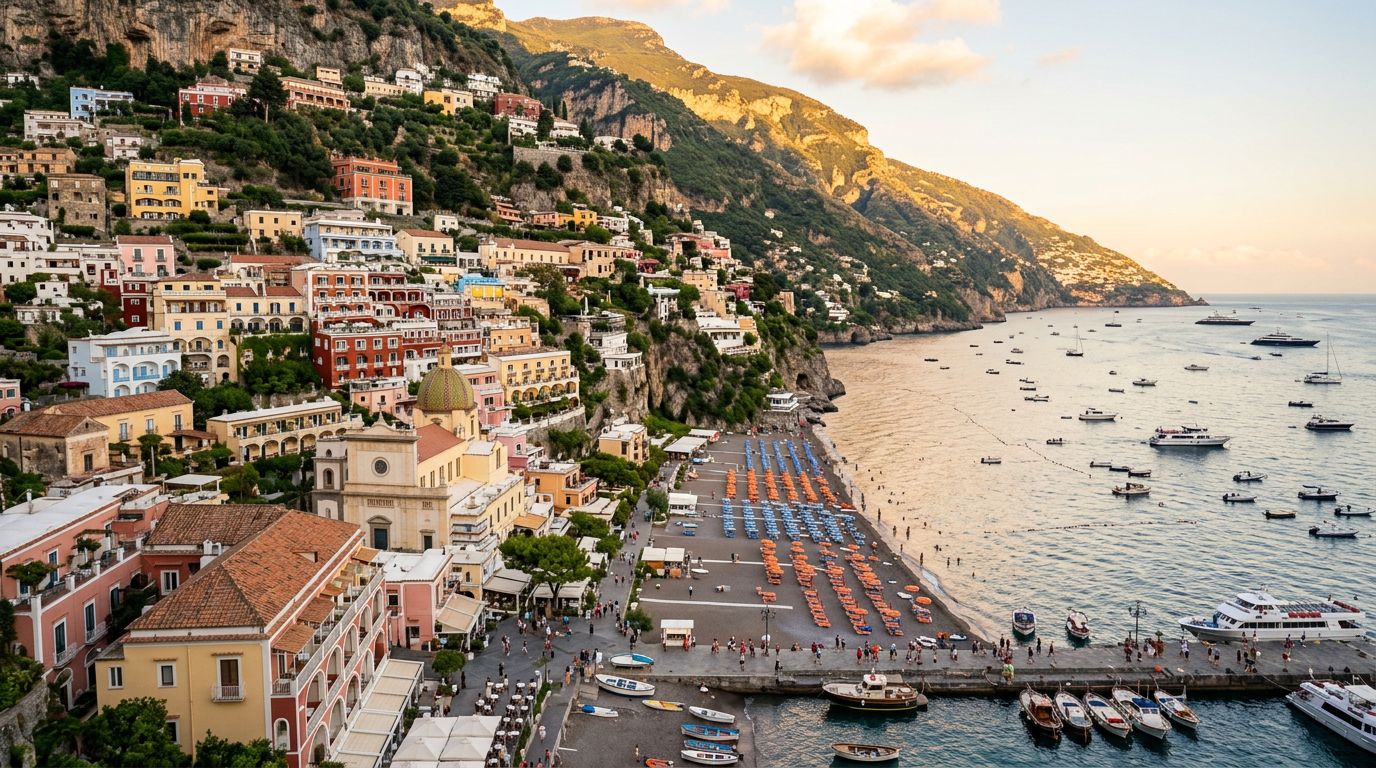
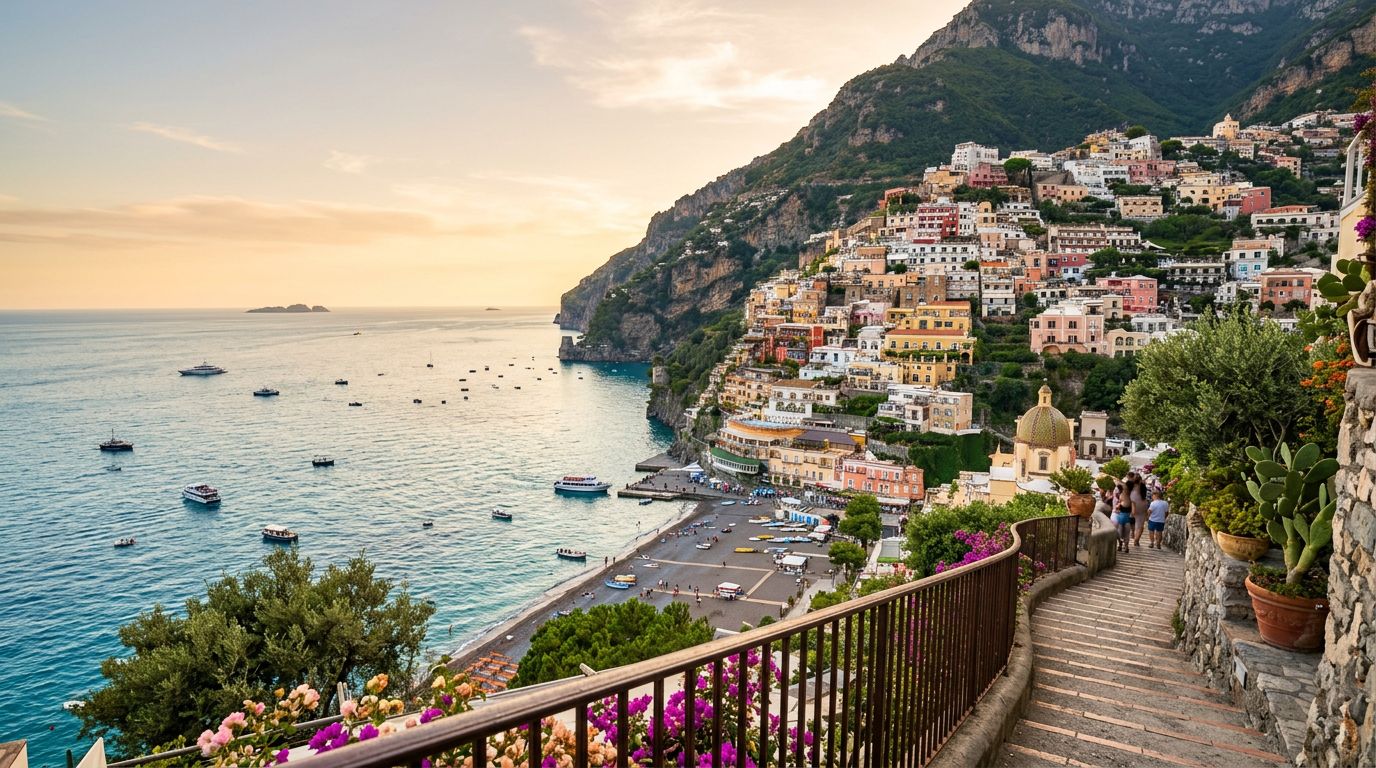
The primary beach area in Positano is framed by rows of pastel-colored buildings climbing the steep cliffs.
Walk to the far eastern edge for a clear vertical perspective.
Even travelers who research the Amalfi Coast can misjudge the practical realities of navigating its narrow roads and dispersed towns. These errors turn a promising itinerary into a stressful scramble.
Booking accommodation in only one town
The coast spans roughly 50 kilometers with poor road connectivity between villages. Base yourself in at least two locations or accept that daily transit will consume 2–3 hours of your trip.
Underestimating driving times between towns
The SS163 coastal road averages 30 km/h due to hairpin turns, buses, and summer traffic. Budget 90 minutes for Positano to Amalfi (17 km) and double that during July–August peak hours.
Visiting only in July or August
Summer brings cruise-ship crowds, hotel rates triple canonical norms, and beach access requires advance payment. May, June, September, and October offer better availability and fewer queues at paid sites.
Skipping advance research on parking
Positano and Amalfi have minimal public parking (€5–8/hour where available), often full by 09:00. Many hotels lack parking; confirm arrangements or rely on SITA bus lines instead of renting a car.
Assuming free entry means no costs
While the region itself charges no entrance fee, individual churches, villas, and museums levy €5–12 per site. Ferry tickets, beach-club sunbeds, and trailhead access (Path of the Gods) add further per-person charges.
The coastal roads and clifftop villages demand specific preparation beyond standard travel routines.
Everything you need to know about is amalfi coast worth visiting
The region offers unique Mediterranean landscapes and historic architecture that make the decision of whether is amalfi coast worth visiting an easy one for many travelers. Visitors often find the combination of coastal cliffs and Italian culture justifies the trip.
The Amalfi Coast itself is a region, meaning there is 0 EUR entrance fee for the area. While is amalfi coast worth visiting remains a popular query, remember that specific museums or private villas may charge individual entry fees.
For the most relaxed experience, your best arrival window is 07:00–10:00. Arriving early helps you avoid peak traffic on narrow roads and crowded bus lines, confirming that is amalfi coast worth visiting requires strategic timing.
Families often consider if amalfi coast worth visiting because of the beaches and towns. It is important to note that many areas have steep terrain and stairs, so planning your route in advance is helpful for those traveling with young children.
Many travelers underestimate the difficulty of driving the winding coastal roads, which often leads to stress. Researching logistics ahead of time ensures you can focus on the scenery that makes answering whether is amalfi coast worth visiting positive.
Group tours are a common way to navigate the area without the stress of managing local transit. These excursions provide structured access to the region's landmarks while managing the complex travel logistics for you.
Traveling during shoulder months can offer a quieter atmosphere compared to the height of summer. This period allows for a more contemplative look at why the area is a preferred Italian destination for many.
The region is located in the Province of Salerno, Campania, Italy. You can access the coast via various regional transport links, though checking official sites like amalficoast.com is recommended for the most current travel updates.